Understanding UK Double Glazing: Benefits, Options, and FAQs
Double glazing refers to the use of two glass panes within a single window frame. This design is commonly embraced in residential and industrial residential or commercial properties throughout the UK. For many years, double glazing has actually gained appeal not only for its visual appeal however also for its exceptional energy performance and sound insulation residential or commercial properties. This article explores the different elements of UK double glazing, including the benefits, types, installation process, maintenance, and regular questions concerning the subject.
Benefits of Double Glazing
The advantages of double glazing are many, making it an engaging choice for property owners in the UK. Here are some of the key advantages:
- Energy Efficiency: Double-glazed windows significantly minimize heat loss from buildings. By reducing energy loss, house owners can lower their energy costs, specifically in chillier months.
- Sound Insulation: The gap in between the two panes functions as a buffer, decreasing external sound entering the home. This can be particularly useful for homes found in busy metropolitan locations.
- Enhanced Security: Double-glazed windows are generally harder and more challenging to break compared to single-pane windows, offering improved security for homes.
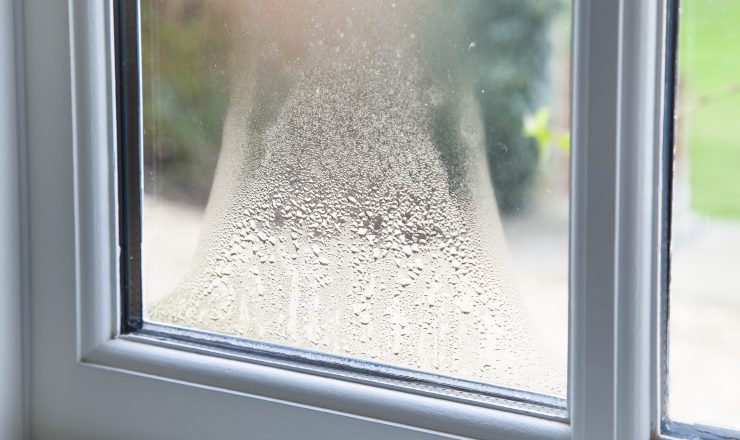
- Decreased Condensation: Double glazing lessens the occurrence of condensation on windows, which can lead to mold development and other moisture-related problems.
- Increased Property Value: Homes equipped with double glazing frequently see an increase in home value, as possible purchasers value the energy effectiveness and comfort that features it.
- Aesthetic Appeal: Double glazing is available in a range of styles and surfaces, which can improve the overall look of a home.
Kinds Of Double Glazing
Double glazing is not a one-size-fits-all solution. Numerous types are offered to meet different needs and choices.
Table 1: Types of Double Glazing
| Type | Description | Pros | Cons |
|---|---|---|---|
| uPVC Double Glazing | Made from stiff plastic, popular for residential usage | Cost-efficient, low upkeep | Minimal color alternatives |
| Aluminium Double Glazing | Strong and durable, often utilized in commercial buildings | Sleek design, long lifespan | Higher preliminary cost |
| Wooden Double Glazing | Standard visual, eco-friendly options offered | Great insulation, appealing | Requires regular maintenance |
| Secondary Glazing | A secondary window fitted inside the existing one | Economical retrofitting | Can look less aesthetically pleasing |
The Installation Process
Setting up double glazing is a considerable investment that involves numerous steps. Homeowner require to ensure they choose a qualified installer to guarantee correct fitting.
Steps to Install Double Glazing
- Evaluation: Evaluating the needs of the residential or commercial property, consisting of window measurements and product preferences.
- Quote: Obtaining quotes from trusted contractors to compare costs and services.
- Picking Materials: Selecting the kind of double glazing and any additional features such as finishes or gas fills.
- Setup: The professional gets rid of old windows, prepares the website, and sets up new double-glazed windows. This process might take a couple of hours to a couple of days, depending upon the number and size of windows.
- Final Inspection: A thorough check to ensure appropriate fitting and performance of the windows.
Upkeep of Double Glazing
While double-glazed windows are typically low-maintenance, some care is required to keep their efficiency and look.
Tips for Maintenance
- Regular Cleaning: Use a glass cleaner and soft fabric to keep the panes clear.
- Examine Seals: Check for any indications of wear or damage around the window seals to avoid air leaks.
- Lube Mechanisms: If windows are geared up with opening mechanisms, guarantee they are oiled occasionally to avoid tightness.
- Check for Condensation: Look for indications of condensation in between the panes, as this might suggest the failure of the IGU (insulated glass system).
Regularly Asked Questions (FAQs)
1. For how long does double glazing last?
Double glazing generally lasts for around 20-35 years, depending on the quality of the materials and maintenance.
2. Is double glazing worth the financial investment?
Yes, double glazing is worth the financial investment due to the long-lasting savings in energy expenses, increased convenience, lower sound levels, and possible increase in property worth.
3. Can I set up double glazing myself?
While DIY setup is possible for those with the right skills, it is extremely recommended to employ a professional to make sure proper fitting and insulation.
4. How can I improve the energy efficiency of my existing windows?
If replacing windows is not an option, think about installing secondary glazing or including window film to enhance insulation.
5. Are there financial incentives for setting up double glazing in the UK?
Yes, various energy effectiveness schemes and government grants may be offered, motivating property owners to enhance their energy conservation efforts.
Double glazing continues to be a favored choice for many homeowners in the UK, due to its myriad benefits varying from energy efficiency to boosted visual appeals. With different types readily available and a reasonably uncomplicated installation process, it is a financial investment worth thinking about. Residential or commercial property owners need to remain watchful in maintaining their double glazing to maximize its life-span and efficiency. In Condensation Inside Double Glazing where energy conservation is essential, buying double glazing might be an action towards a more sustainable future while likewise improving convenience within the home.